Exploring the Conveniences of Effective Irrigation Equipments for Lasting Agriculture
Effective Irrigation systems play an important role in lasting agriculture. They optimize water usage and enhance crop manufacturing while decreasing environmental effect. Techniques such as drip Irrigation guarantee that water gets to plant origins successfully, lowering waste and soil destruction. As these systems become extra common, their implications for farmers and the more comprehensive ecological community warrant closer assessment. What specific advantages do they supply in the face of expanding climate difficulties?
Comprehending Effective Irrigation Equipments
Different Irrigation techniques exist, recognizing efficient Irrigation systems is essential for optimizing water usage in farming. Efficient Irrigation incorporates strategies and technologies created to supply water straight to crops in a controlled fashion, minimizing waste and making best use of efficiency. Standard techniques, such as furrow and flood Irrigation, commonly bring about substantial water loss through evaporation and drainage. On the other hand, modern-day systems, including drip and sprinkler Irrigation, enable targeted application, ensuring that plants receive the specific amount of water needed for development.
Farmers have to evaluate variables such as dirt type, plant needs, and climate conditions when picking a watering system. In addition, the assimilation of smart modern technologies, like dampness sensors and automated controls, can even more boost performance. By embracing reliable Irrigation practices, farming stakeholders can preserve water sources, minimize expenses, and advertise sustainable farming, inevitably contributing to the durability of agricultural systems in the face of climate change.
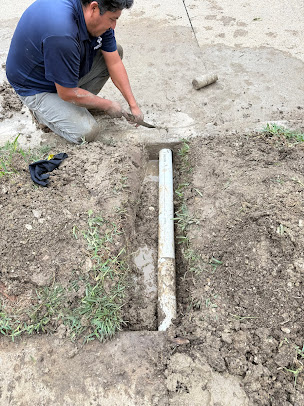
Trick Benefits of Effective Irrigation
Efficient Irrigation systems provide considerable benefits for lasting farming (Drip Foundation). They incorporate water preservation methods that not only lower waste yet also improve crop yields. Additionally, applying these systems can result in cost-efficient practices, benefiting both farmers and the environment
Water Preservation Techniques
As water deficiency comes to be a progressively pushing issue, the fostering of advanced Irrigation methods arises as a vital technique for advertising sustainable agriculture. These techniques consist of drip Irrigation, which supplies water straight to plant origins, decreasing dissipation and overflow. Additionally, rainwater harvesting systems capture and store rain for later usage, maximizing water availability. Soil moisture sensing units even more improve water conservation by offering data-driven understandings on Irrigation requirements, enabling accurate water application. Mulching helps preserve dirt dampness and minimizes the need for constant Irrigation. By carrying out these water conservation methods, farmers can significantly minimize water use, lower operational expenses, and add to environmental sustainability, making certain that agricultural techniques remain sensible in the face of environment challenges.
Raised Plant Yields
When farmers implement efficient Irrigation systems, they usually experience considerable boosts in plant returns. These innovative systems, designed to provide water precisely where and when it is needed, enhance plant growth conditions. By decreasing water anxiety, plants are better able to absorb nutrients, bring about much healthier plants and raised production. Furthermore, efficient Irrigation decreases the incidence of diseases and bugs, as plants are kept in excellent dampness conditions. This improvement in overall plant health directly associates with boosted returns. Additionally, farmers can grow a larger selection of plants, better expanding their production and increasing overall farming efficiency. Inevitably, the adoption of efficient Irrigation adds to food safety and security and the sustainability of farming methods.
Affordable Practices
Implementing cost-efficient methods through innovative Irrigation systems offers numerous advantages that expand beyond mere water cost savings. These systems maximize water usage, minimizing total costs connected to water sourcing and power intake. Farmers can allot sources a lot more effectively, causing enhanced dirt wellness and lowered chemical inputs. In addition, reliable Irrigation practices minimize labor costs by automating procedures, allowing personnel to concentrate on various other essential jobs. The long-lasting sustainability of agricultural procedures is enhanced, as these methods promote ecological stewardship and resilience versus environment irregularity. Inevitably, taking on affordable Irrigation techniques supports financial practicality, making it possible for farmers to purchase innovation and modern technology, thus cultivating a cycle of growth and sustainability in agriculture.
Enhancing Water Preservation
While water scarcity presents a significant challenge to agriculture, boosting water preservation practices can bring about even more lasting farming approaches. Applying reliable Irrigation systems, such as drip and lawn sprinkler systems, enables farmers to deliver water directly to plant roots, minimizing wastage. These modern technologies not just save water however likewise reduce power prices connected with pumping and circulation.
Additionally, embracing rainwater harvesting methods makes it possible for farmers to capture and save rainfall for future use, lowering dependence on groundwater and surface area water sources. Plant turning and cover cropping can additionally boost soil health, boosting dampness retention and lowering the need for added Irrigation.
Education and learning and training for farmers on finest methods in water monitoring are crucial for maximizing these advantages. By focusing on water conservation, farming stakeholders can much better adjust to the impacts of climate change while promoting durability in food manufacturing systems. Inevitably, these strategies add to an extra lasting farming landscape.
Improving Crop Yields and Quality
Reliable Irrigation systems not just preserve water yet likewise play a crucial function in improving crop returns and quality. By supplying specific quantities of water directly to the root areas, these systems lessen water stress and anxiety on plants, leading to much healthier growth and higher performance. Constant moisture degrees foster suitable problems for nutrient uptake, bring about robust plant advancement. Furthermore, boosted grading backyard Irrigation methods minimize the danger of overwatering, which can cause nutrition leaching and root illness, ultimately enhancing plant high quality.
Furthermore, reliable Irrigation aids in the monitoring of soil salinity, which can detrimentally affect crop performance. By preserving suitable moisture levels, these systems add to much better soil structure and fertility. The combination of improved water monitoring and enhanced plant health and wellness causes higher yields and remarkable fruit and vegetables, meeting the demands of both consumers and markets. Consequently, purchasing reliable Irrigation is crucial for accomplishing sustainable agricultural methods that prioritize return and top quality.
Economic Advantages for Farmers
As farmers adopt efficient Irrigation systems, they frequently experience significant economic advantages that enhance their general success. These systems decrease water usage, causing lower utility expenses and reduced functional costs. By maximizing water shipment, farmers can guarantee their plants get regular wetness, which not just increases returns yet additionally boosts the high quality of the produce. Higher top quality crops can regulate better market value, furthermore increasing earnings.
Effective systems minimize labor prices associated with conventional Irrigation approaches, enabling farmers to allot sources a lot more effectively. The first financial investment in sophisticated Irrigation technology typically repays swiftly with these savings and increased performance. Additionally, with improved plant wellness and return security, farmers can much better browse market variations, adding to long-lasting economic sustainability. In general, the financial advantages of efficient Irrigation systems play an important function in enhancing read more the stability and success of farming procedures.
Addressing Environment Change and Sustainability
Addressing environment modification and sustainability requires cutting-edge approaches in agriculture, particularly with the execution of efficient Irrigation systems. Drip Foundation. These systems play a necessary function in decreasing water waste and enhancing source use, which is crucial in an age of boosting water deficiency. By making use of innovations such as drip Irrigation and dampness sensing units, farmers can exactly deliver water to plants, reducing the general demand on freshwater sources
Reliable Irrigation systems contribute to soil health by protecting against erosion and nutrient leaching. This not just boosts plant resilience however additionally sustains biodiversity within agricultural landscapes. As climate variability magnifies, adopting these systems can help mitigate the effects of extreme weather, making certain steady yields.

Regularly Asked Concerns
What Kinds of Crops Advantage Many From Effective Irrigation Systems?
The kinds of crops that benefit most from reliable Irrigation systems include veggies, fruits, and grains, especially those that call for regular moisture degrees. Improved Irrigation boosts yields and high quality, eventually supporting agricultural productivity and sustainability.

Exactly How Do Efficient Irrigation Equipments Impact Dirt Health?
Reliable Irrigation systems boost dirt health and wellness by advertising optimal wetness degrees, lowering erosion, and avoiding salinity buildup. This leads to enhanced nutrition schedule and microbial task, fostering a more landscaping around trees with stone resistant and effective farming ecological community.
What Are the Installment Expenses for Efficient Irrigation Systems?
The setup costs for efficient Irrigation systems vary commonly, influenced by factors such as system terrain, dimension, and kind. Typically, initial financial investments can be substantial, but lasting savings and advantages commonly warrant these costs.
Can Efficient Irrigation Systems Be Retrofitted to Existing Farms?
Retrofitting effective Irrigation systems to existing farms is viable. Many farmers effectively adjust their existing setups, enhancing water administration and conservation. This process usually improves efficiency while decreasing source waste and environmental influence.
Exist Government Motivations for Adopting Efficient Irrigation Technologies?
Federal government rewards for adopting effective Irrigation technologies usually include gives, tax credit scores, and low-interest financings. These programs aim to promote sustainable methods, improve water preservation, and enhance farming performance while supporting farmers in upgrading their systems.
Different Irrigation methods exist, recognizing reliable Irrigation systems is crucial for enhancing water usage in farming. Dirt wetness sensors additionally improve water preservation by giving data-driven understandings on Irrigation needs, enabling for exact water application. Applying affordable practices through innovative Irrigation systems provides numerous advantages that prolong past mere water financial savings. Implementing reliable Irrigation systems, such as drip and lawn sprinkler systems, allows farmers to provide water directly to plant origins, lessening wastage. Effective Irrigation systems not only save water yet additionally play a crucial role in improving crop yields and top quality.